



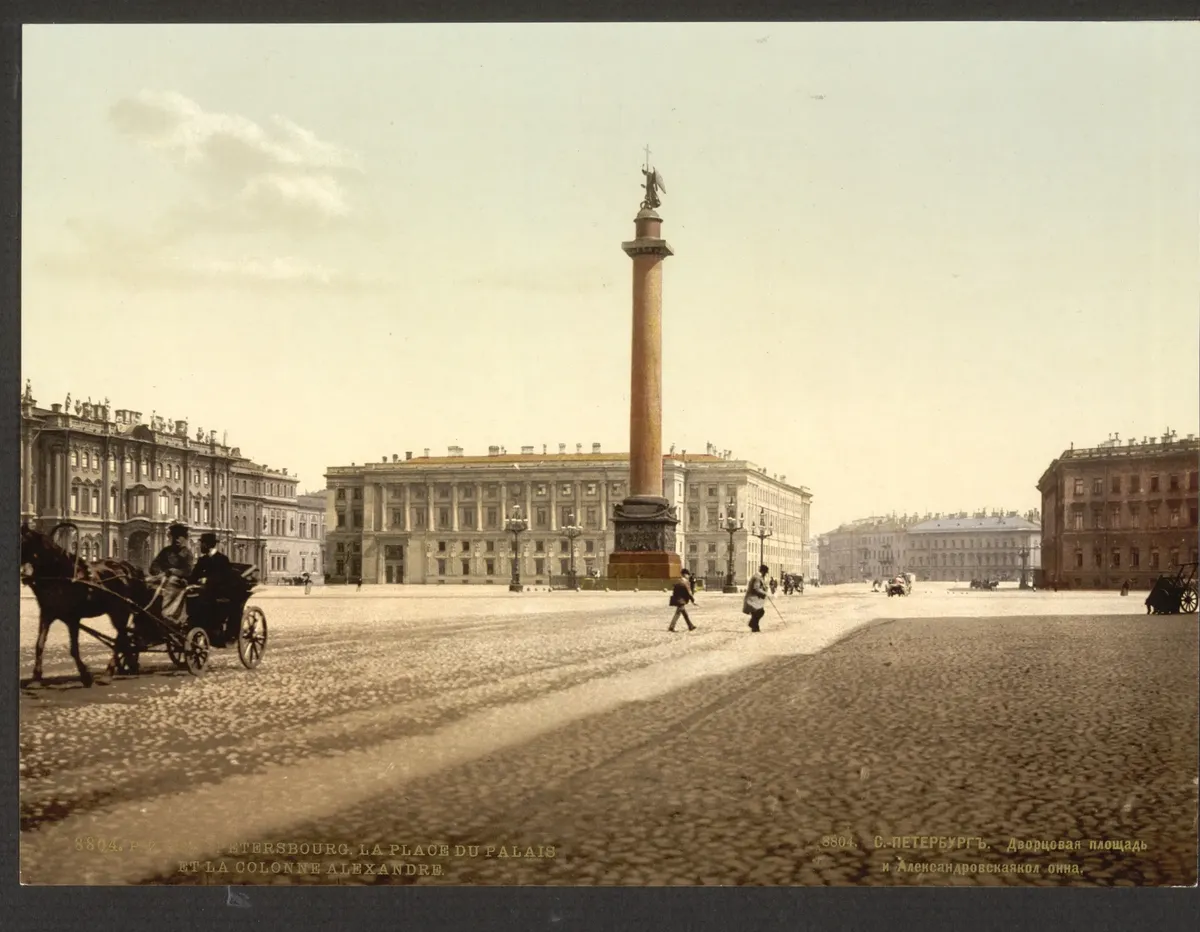
И жить торопится и чувствовать спешит.
Pushkin opens the first chapter of Eugene Onegin with a borrowed line about a young man in a hurry to live and in a rush to feel. It suits his hero. It also suits most of the projects we’re asked to rescue: the brief was rushed, the budget was a guess, and the hard conversation was put off until it got expensive.
We work by commission, and we chose the word on purpose. A commission is an agreement between someone who wants a thing made and someone who will answer for making it. The old kind produced palaces, railways and jeweled eggs. Ours produce websites for bakeries, program offices that report honestly, AI tools and first versions of products. The scale is smaller, but the habits that make a commission last haven’t changed much. These are the ones we try to keep.
Ask for the useful parts and the beautiful parts together. A site that looks right and loads slowly has failed, and so has a fast one nobody trusts. Neither half is a luxury, so we plan and price both from the first meeting.
Put a name on the work. Fabergé’s workmasters stamped their initials on the pieces they made, so each object could be traced to the person who answered for it. Our version is modest: every commission has one named person on our side who owns the outcome, and you always know who to call. When something goes wrong, you shouldn’t have to work out whose problem it is.
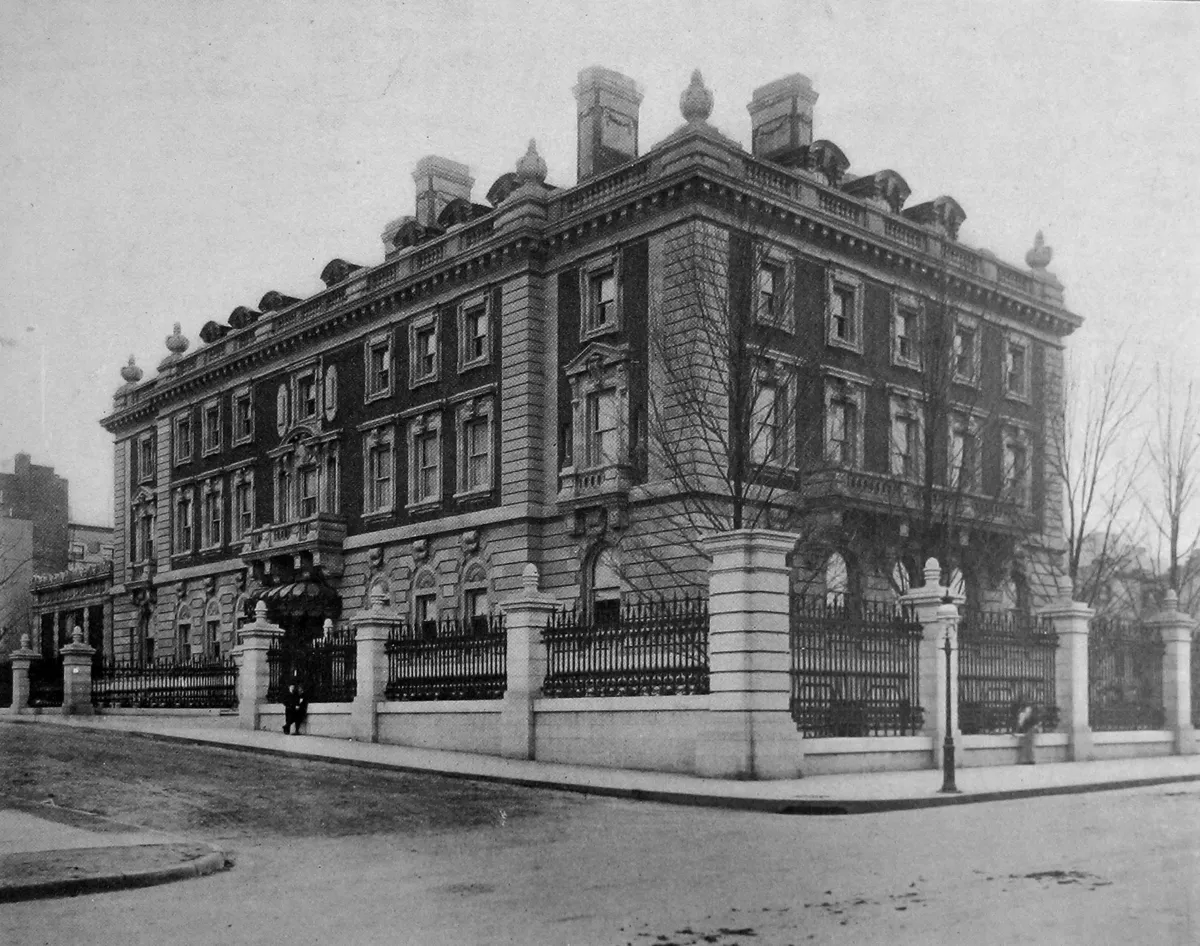
Budget for the upkeep from day one. Andrew Carnegie paid to build 2,509 libraries on one condition: the town had to provide the site and fund the library every year after it opened. He knew a handsome building with no maintenance budget doesn’t stay handsome for long. So everything we hand over comes with documentation, training and the accounts in your name. If you keep us on, it should be because we’re useful, and leaving should be easy.
Leave room for what you don’t know yet. AI models change every few months, and the best tool today may not be the best one next spring. We map the work first, use AI where it clearly helps, and leave clean places for tools that don’t exist yet, so a better one can slot in later without a rebuild.
Say the hard thing early. Our namesake is a warning here. Onegin is clever, well read and at home in several cultures, and he still understands what matters years too late. Most of the damage in a failed project comes from the same delay: the awkward conversation that didn’t happen in week two. We try to have it in week one, and we ask the same of clients. Tell us the real budget, the real deadline and who actually decides.
Hold up your end. A commission has two sides, and yours matters as much as ours. Name one person on your side who can make decisions. Answer our questions within a few days. Protect the time the plan says the work needs, and warn us early if it’s about to be taken away. We’ll keep our side of the schedule, and tell you the moment we can’t.
None of this needs a railroad fortune. It needs a client who wants the thing done properly and a team willing to say what that takes. We’d like to be that team.